-
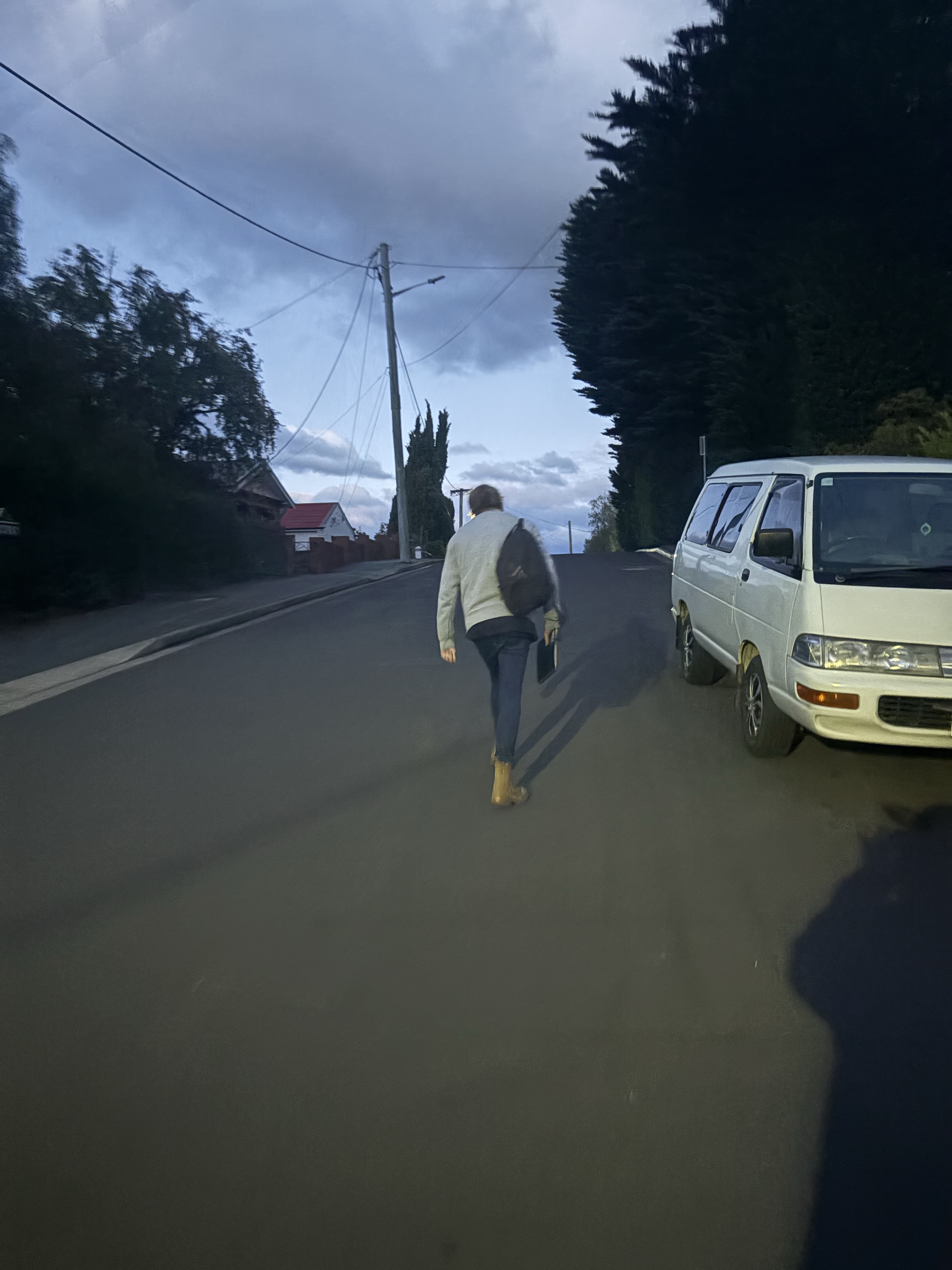
Pete’s First Weekend in the Night Shelter — A Reality Check
Pete’s first night in the shelter didn’t go as expected. He called me in an emergency, needing food for “two or three days” — but mostly he needed support. On his second night, while sleeping on the couches, another resident approached and seduced him. The next morning she locked herself in her room and held…
-
Sitting in the Car Before Going Inside — That in-between moment many people know
Before people enter rooms, they often sit with the cost of being seen.
-
A Cup of Coffee Is Not a Small Thing — What ordinary gestures actually do
Ordinary gestures don’t fix lives, but they make space for people to breathe.
-
Why Some People Stop Asking for Help — A reflection on withdrawal, not resistance
People don’t stop asking for help because they don’t need it — they stop because asking has cost too much.
-
Being Known by a File Before a Person — What it’s like to meet services from the other side
When the file arrives before the person, history can speak louder than humanity.
-
When Support Feels Like Surveillance — How systems can unintentionally erode trust
When help feels like it’s watching rather than walking alongside, people don’t resist — they protect themselves.
-
Presence Is Not Care Lite — Why simply “being there” is not a lesser form of care
Presence looks simple from the outside. From the inside, it demands restraint, courage, and a willingness to stay when nothing can be made better yet.
-
Who Decides When Someone Is “Ready”? — Power, timing, and lived experience in organisations
Readiness is often treated as a personal milestone, but it is shaped by power. Who gets to decide — and who has to wait — matters more than the word itself.
-

Hospitality That Doesn’t Ask for a Story
The most generous spaces don’t ask for context. They offer room — and trust that what needs to be known will surface in its own time.
-

When Organisational Language Misses Real Life
Good intentions often speak fluently. Real lives answer in fragments. The work begins where the language runs out.
-

Knowledge you can’t learn in training — What lived experience teaches that frameworks can’t
Some truths can’t be taught without flattening them. They’re learned in moments where theory pauses, certainty softens, and experience speaks in its own time.
-

What changes when you’re the one in the room — How proximity reshapes what we think we know
There’s a particular shift that happens when something stops being theoretical and starts being shared space. Before that moment, we have ideas. Opinions. Frameworks. We talk about people, about situations, about harm or recovery or need. We speak with confidence because distance makes things feel tidy. Then you’re in the room. You notice how quickly…
-
Sitting in the Car Before Going In – That in-between moment many people know.
There’s a particular pause that happens before the door opens. Engine off. Keys still in hand. The world held at arm’s length for a few seconds longer.
-

When nothing is resolved — and that’s okay. Learning to make things unfinished
We’re trained to measure care by outcomes. By closure. By whether something was fixed, clarified, wrapped up neatly before we left the room. So when nothing is resolved, it can feel like failure—awkward, inefficient, unfinished.
-
Good intentions don’t always feel good – What lived experience notices first?
Good intentions arrive early. They’re often warm, earnest, well-phrased. But lived experience notices something else first: how it lands.
-

The Difference Between Being Heard and Being Helped – A reflection on dignity, agency, and unintended harm
Being helped can feel active, efficient, even generous. Being heard is quieter — slower — and often much harder to tolerate. One offers solutions; the other offers space.
-

Why Some People Can’t “Just Get a Job” – A humane look beyond slogans
Just get a job” sounds practical, even motivating. But it collapses complex lives into a slogan—and in doing so, it misunderstands why work is inaccessible for many people.
-

Work That Fits a Real Life – Why lived experience matters in economic ideas
Economic ideas often assume stability, energy, and predictability. Real lives rarely offer any of these. When work is designed without lived experience, it quietly excludes the very people it claims to support.
-

Staying When There’s Nothing to Say – A reflection on shared silence
Silence is often treated as a problem to solve. But sometimes, staying—without filling the space—is the most respectful thing we can offer.
-

The Long Walk of Being Trusted – Why trust grows slower than programs
Trust doesn’t arrive on a timeline. It doesn’t respond to funding rounds, pilot phases, or neatly defined outcomes. It grows slowly—through consistency, restraint, and the quiet accumulation of kept promises.
-
Protective Action vs. Control: A Reflection on Risk, Presence, and Power
Naming risk is not the same as exercising power. Over years of working in community spaces and shared tables, I’ve learned that protective action becomes relational only when it’s grounded in respect, presence, and dignity — not control.
-

Finding Roots in Shared Tables
Visiting soup kitchens didn’t just show me how shared spaces function — it shaped who I became. Through presence, relationship, and learning the quiet work of coordination, those early experiences gave me roots that still inform how I hold community today.
-

We Don’t Start With Solutions. Why lived experience resists being rushed into outcomes.
We are taught to arrive with answers. Lived experience teaches us to arrive with presence. Solutions can wait. Listening cannot.
-

Lived Experience — A Starting Point
Listening first. Learning together. Acting with care. Lived experience is not a credential you earn. It is knowledge that comes from walking through things you did not choose — and discovering what helps, what harms, and what actually changes lives. On this page you’ll find reflections, resources, and practical approaches shaped by lived experience —…