Walking With a Story

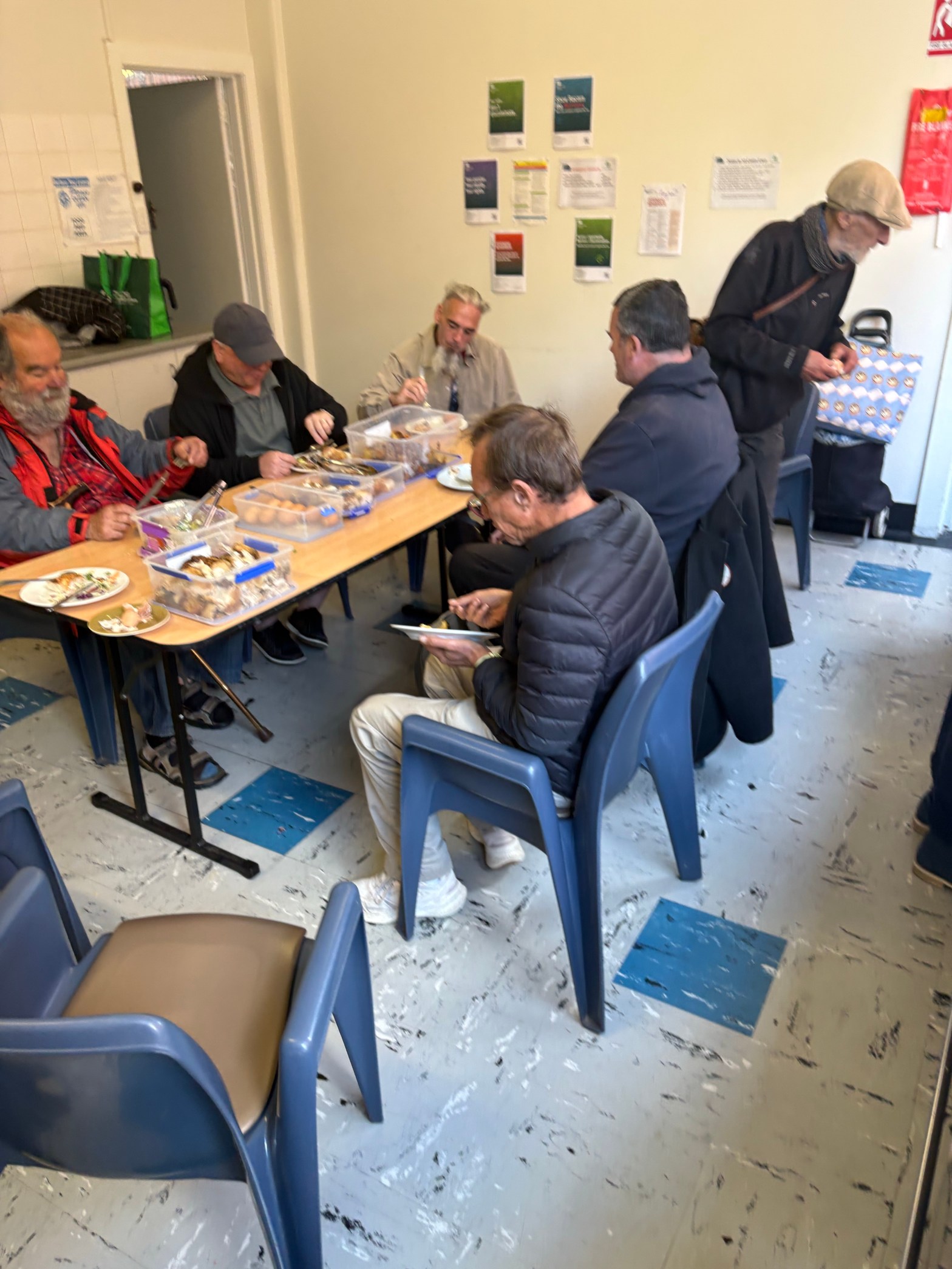
At the last community dinner, I sat with a big-hearted man who has lost his wife and children twice — first through separation, and again through the long, heavy involvement of the criminal justice system. His grief isn’t simple. It comes in layers, folded over time.

I didn’t come to fix his story. I came to honour it.

Before language can change, it has to be valued. Before someone can speak differently about their life, they need to know that the way they speak now is heard, taken seriously, and treated with dignity. So I listened. I stayed with him where he already was.

As he spoke, I noticed how much pain lived in the words he used — words shaped by loss, blame, fear, and disappointment. Not wrong words. Understandable ones. Words that had grown in hard ground.

Holding space meant letting those words land without rushing to tidy them. But it also meant gently walking alongside him as new words became possible — words that gave him more room to breathe. Words that held responsibility without crushing him. Words that made space for hope without pretending everything was fine.

We didn’t rewrite his story.

We began to widen it.

When a person feels their story is respected, they become curious about how they tell it. From that respect, language can slowly shift — from trapped to open, from shamed to responsible, from defeated to becoming.

That night reminded me:

Care often begins with listening deeply enough that new language can grow.

rRead more posts

Hope That Learns to Wait

Reflection

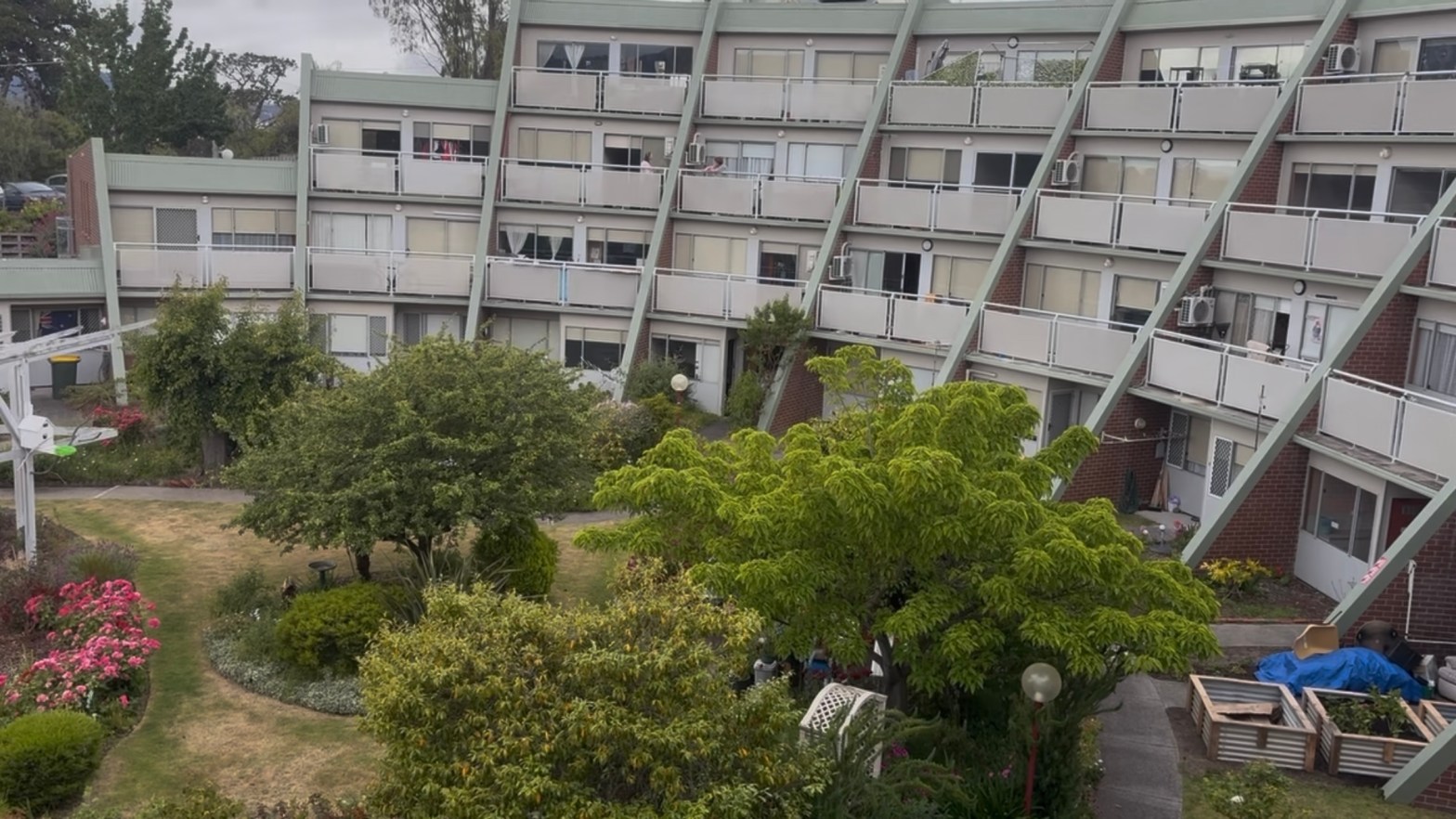
Over the past four weeks, something has been forming at Jutland Village.

I didn’t arrive with a plan. I visited a friend who lives there, and he showed me around. We walked through the housing block together and ended up in the new community room.

It was alive.

People were playing games. The fridge was in use. There was tea and coffee, a meeting area, conversation, movement. Not an event — just a place being used. A place beginning to hold people.

I thought about how different this felt from a year ago.

Back then, I tried dropping bread here. It didn’t land. A small group of men dominated the space at the time and refused it. I left thinking maybe this wasn’t the right place, or the right moment.

I expected the same resistance now.

Instead, the formation had changed. The group was mixed. More women. More organisation. Clearer leadership. People knew each other’s names. They were already sharing.

I introduced food drop-offs through Hobart Food Outreach — quietly, without emphasis. Not as a takeover. Just as support. I wasn’t sure it would be welcomed.

It was.

Over the last few weeks, I’ve watched people step into roles. One woman I recognised from years ago, when I volunteered at the Salvos. Back then, she was already a steady presence — someone others trusted. That experience shows now. She asked for my number. I gave it to her, and only her. Not to centralise things, but to empower her to coordinate in her own way.

Jo has emerged as a leader. Others are key in quieter ways. I’m meeting them slowly, letting the shape of the group reveal itself rather than naming it too quickly.

I stay in touch with Glen, who sources the food. I tell him what’s happening — not in metrics, but in stories. About how the food is being divided evenly. About door-knocking. About how people are choosing to share rather than compete.

Hope, here, hasn’t been dramatic.

It hasn’t arrived with certainty.

It has required waiting. Watching. Trusting that community forms when it’s ready — not when it’s pushed.

Doubt still sits alongside it.

But now it feels like the kind of doubt that keeps hope careful, rather than fragile.

More reflections about hope and doubt:

Borrowing the Street Back

Reflection

Yesterday, something shifted.

Instead of explaining my life, I described my day — as it happened — moving through the street. I told Pete who I met. What I noticed. What surprised me.

John had a stroke. He probably won’t last long.

I sat in meetings at Mathers House with Hobart City Council.

I visited Jutland Village, where residents were quietly organising food distribution among themselves.

I didn’t present outcomes. I didn’t frame it as a program. I just walked — and narrated.

It felt strange, almost like borrowing the street back for a day. Not pretending to be homeless, but letting the street teach me again.

Pete engaged. Asked questions. Shared thoughts.

Not because I had answers — but because we were finally standing somewhere recognisable again.

Hope didn’t arrive as optimism.

It arrived as shared ground.

More reflections about hope and doubt: