
There comes a point where effort is no longer the problem. Love is not the problem. Even commitment is not the problem. Capacity is.
This chapter marks the moment I stopped mistaking loyalty for infrastructure — and started looking for the people, networks, and systems that could carry this work outward.
Chapter Ninety One: Strong Hands, New Beginnings.
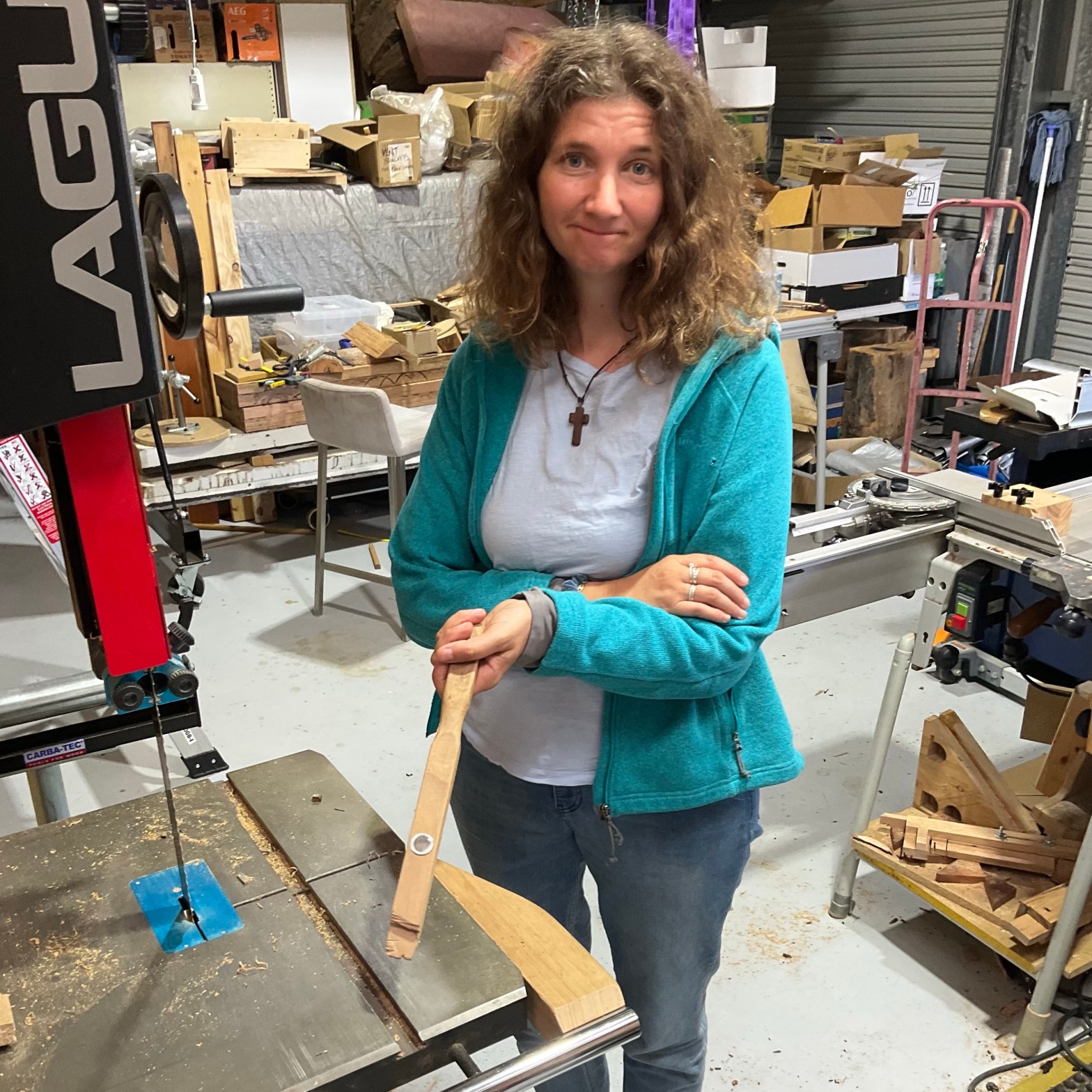
An independent craft business A craftsperson story, and a model for many more Priscilla’s Woodcraft Adventures began quietly, at a workbench, with timber dust on the floor and oil warming under her hands. Before wood, Priscilla worked with fabric. She sewed for years—measuring, cutting, shaping, finishing. When life changed suddenly and painfully, those same strong,Continue reading “Chapter Ninety One: Strong Hands, New Beginnings.”
From Structure to Relationship: How Collaboration Reshaped a Project— highlighting the shift from rigid models to relational practice.
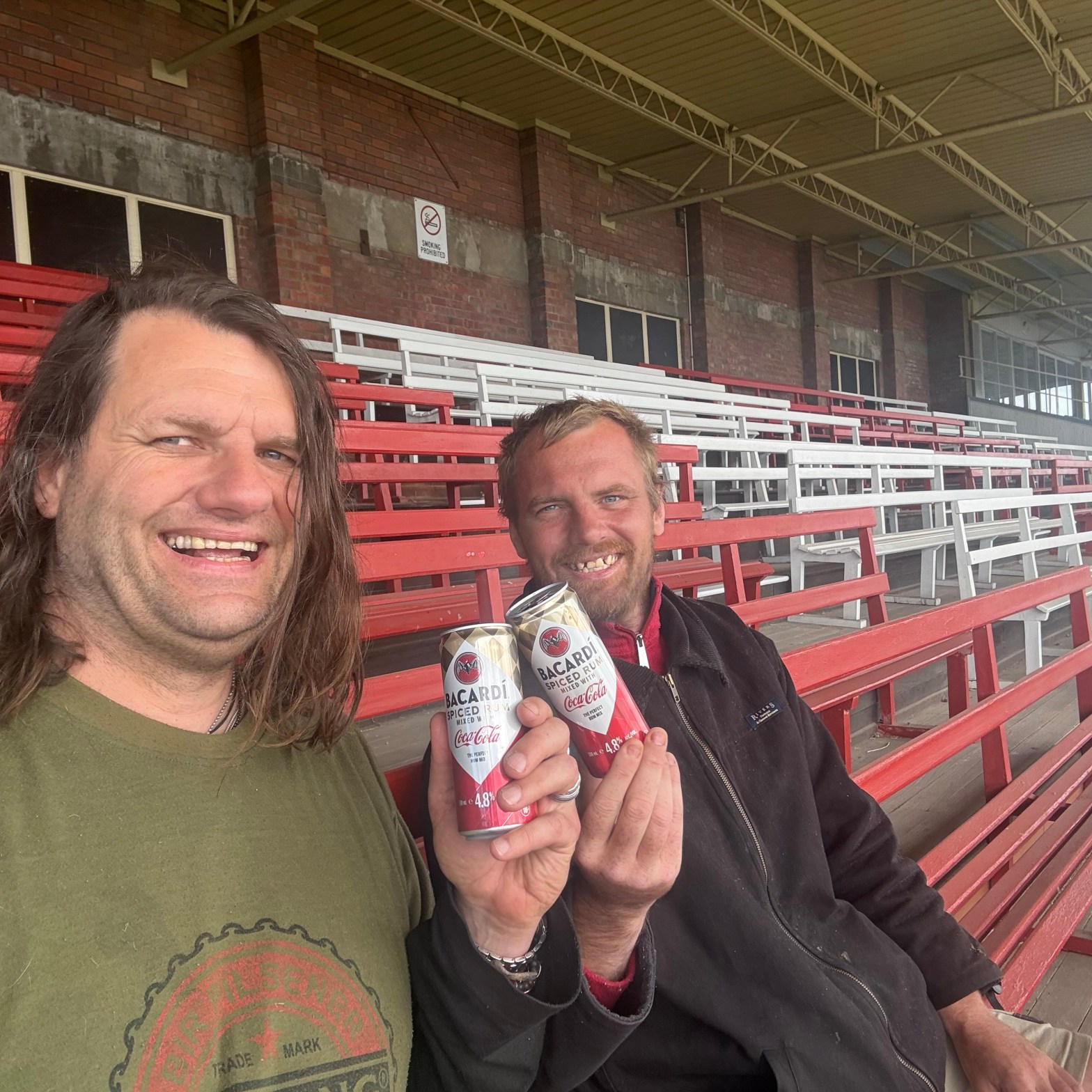
How a Project Shifted When We Followed Someone’s Way Pete’s story isn’t something I observed from a distance. It’s something we built inside of — often without knowing where it was going. When Pete first came to Food Not Bombs Hobart, the project itself was fragile. I was losing members. I was holding too much.Continue reading “From Structure to Relationship: How Collaboration Reshaped a Project— highlighting the shift from rigid models to relational practice.”
How Food Moves: Relationship, Risk, and Trust
Sometimes the question is not whether food arrives, but how it travels.
Yesterday evening in Jutland Village, I was reminded that delivery is never neutral.
Some organisations place food in a common room and step back — careful not to be seen as choosing, favouring, or relating too closely. The food is there, and people may come.
But another way exists. One resident told me quietly: “It works better your way.” Not because of efficiency, but because of trust. I give the food to a small group of resident leaders. They don’t leave it in a room. They break it down, walk it through corridors, knock on doors, and carry it into flats — especially to those who do not come out, who do not join the visible group.
Food, in this way, becomes a relationship that moves.
This Bread Is Not a Message About You
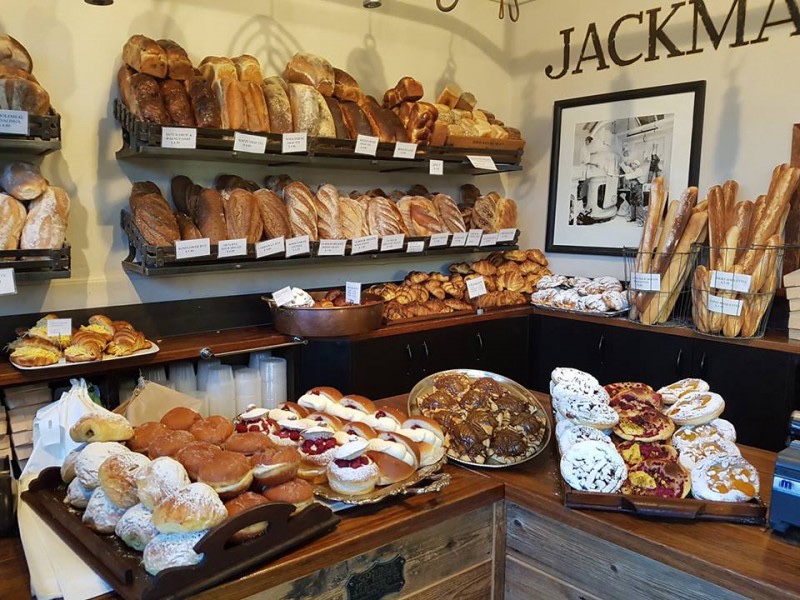
This bread isn’t a message about need or deserving. It’s a sign of belonging — a quiet symbol of shared life moving through hands, relationships, and trust. When a loaf comes to you, it isn’t asking for a reason. It’s simply saying: you are already inside this.
