
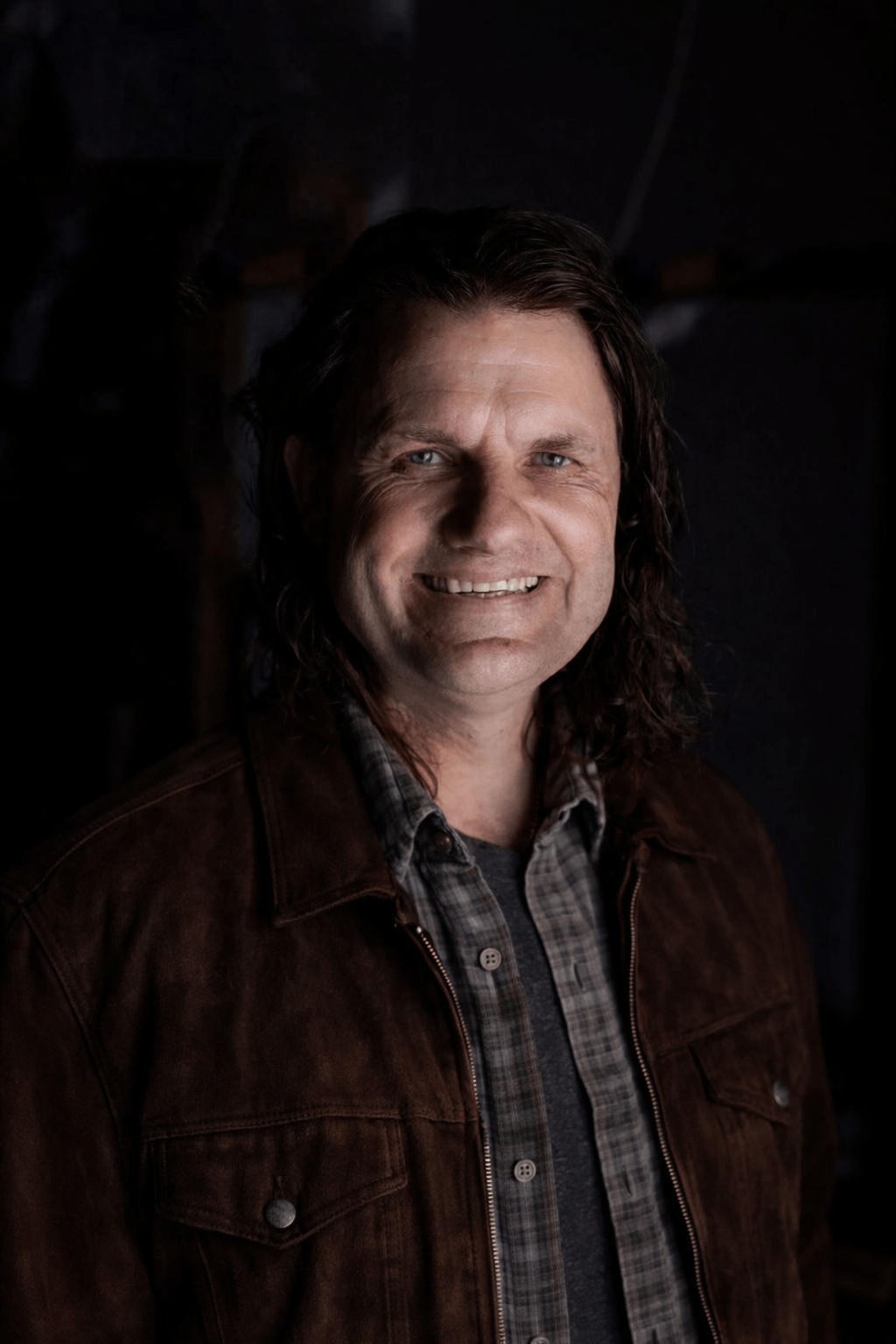
My work sits at the intersection of lived experience, community response, and practical problem-solving. I focus on risks faced by vulnerable people and on developing grounded, human-scale responses that reduce harm, build dignity, and strengthen connection.
Rather than working within a single program or service model, I bring together projects, partnerships, and informal community practices. This allows me to respond flexibly to real situations — whether that involves material relief, shared meals, creative participation, or systems-informed project design.
How I Work
My approach is shaped by:
- lived experience of vulnerability and recovery
- long-term involvement in community life in Hobart
- social work principles, without rigid bureaucracy
- attention to where systems fail people in practice
I prioritise early response, proportional action, and relationship-based engagement. Much of the work happens quietly: listening, noticing risk, and acting before situations escalate.
Areas of Focus
Across this site you’ll find work relating to:
- Community care and material relief
- Risk reduction and harm prevention
- Creative and microenterprise projects
- Participation, dignity, and belonging
Each area connects to the others. Practical care creates stability. Creative work restores agency. Systems insight informs better responses.
Why This Work Matters
Many people experience harm not because they lack effort or intention, but because systems are fragmented, inflexible, or out of step with lived reality. My work pays attention to those gaps and responds with solutions that are local, relational, and achievable.
This is not about charity or control. It is about shared responsibility, thoughtful action, and human connection.
Working Together
I collaborate with:
- community members and informal groups
- grassroots initiatives
- open organisations
- creative practitioners and social innovators
If you’re interested in support, collaboration, or learning more about this work, you’re welcome to get in touch.
Background & Experience
My work is informed by a combination of lived experience and practical engagement across community, creative, and social support settings. I have experience in community-based projects involving material relief, shared meals, creative participation, and informal support pathways.
I draw on social work principles, risk-awareness, and systems thinking, while working outside rigid service models. Much of my experience has been developed through long-term, place-based involvement in Hobart, collaborating with individuals, community groups, and small initiatives.
This background allows me to work comfortably across informal community contexts and more formal environments, translating between lived reality and organisational requirements.
My Approach
Working with vulnerable people sits at the intersection of care, risk, accountability, and complexity. My approach has been shaped by frontline practice, project work, lived experience, and years of observing what works—and what quietly causes harm—within social service systems.
This approach is not built around a single model or methodology. It is grounded in a way of thinking, assessing, and responding that takes vulnerability seriously without stripping people of dignity or agency.
1. I Work With Risk, Not Around It
Risk is inherent in social work and community services. Attempts to eliminate risk often displace it—onto clients, frontline workers, or the margins of the system where it becomes harder to see and manage.
My approach treats risk as something to be:
- Identified early
- Shared transparently
- Actively managed rather than avoided
This means resisting fear-driven decision-making and acknowledging that protective systems can themselves create harm when they prioritise liability over outcomes.
Risk management, in my practice, is not a compliance exercise. It is a relational and ethical process that balances duty of care with respect for autonomy.
2. Relationship Is Central to Safety
Policies, frameworks, and procedures matter—but they do not create safety on their own. In my experience, relationship is one of the most effective risk mitigation strategies available.
Trust:
- Increases disclosure
- Improves engagement
- Reduces escalation
- Enables earlier intervention
My approach prioritises relational work as foundational, not supplementary. This does not mean being unbounded or informal; it means recognising that people are more likely to act safely when they feel seen, respected, and understood.
3. Lived Experience Informs—but Does Not Override—Practice
Lived experience brings insight that is often missing from professional and policy-driven spaces. It can highlight blind spots, challenge assumptions, and ground abstract decisions in real consequences.
At the same time, lived experience must be used ethically and carefully. My approach does not romanticise it or treat it as a substitute for evidence, professional boundaries, or governance.
Instead, lived experience:
- Informs judgement
- Strengthens empathy
- Improves design and engagement
It sits alongside professional knowledge, supervision, and accountability—not above them.
4. I Accept Complexity and Resist Simplistic Solutions
Vulnerability rarely presents as a single issue. People’s lives are shaped by intersecting factors: trauma, poverty, mental health, housing insecurity, family systems, and systemic exclusion.
My approach resists overly linear solutions to complex problems. I am cautious of interventions that promise quick fixes without accounting for:
- Context
- Capacity
- Long-term sustainability
This means holding tension between competing priorities—safety and autonomy, urgency and patience, care and accountability—without defaulting to the easiest option.
5. Practice Must Be Grounded, Not Merely Theoretical
Frameworks and models provide valuable structure, but they must be translated into practice that works in real environments with real constraints.
My approach asks:
- What does this look like on the ground?
- Who carries the risk when this fails?
- What unintended consequences might arise?
I value reflective practice and continuous learning, but I remain anchored in what frontline workers, participants, and communities actually experience.
6. Collaboration Is Essential—but Responsibility Remains Clear
Effective work with vulnerable people requires collaboration across roles, disciplines, and organisations. My approach supports genuine co-design and shared decision-making where possible.
However, collaboration does not mean abdication of responsibility. Clear roles, decision-making authority, and accountability structures are essential—particularly where risk is involved.
Shared work functions best when responsibility is explicit, not diffused.
7. Accountability Is Part of Care
Care without boundaries can be harmful. My approach recognises that accountability, when applied thoughtfully, supports safety and trust.
This includes:
- Clear expectations
- Transparent decision-making
- Willingness to say no when necessary
Being accountable means being answerable not only to systems and funders, but to the people most affected by decisions.
8. I Work at the Pace the Work Requires
Some work demands urgency. Other work requires time, patience, and consistency. My approach is deliberate about pace, recognising that rushed interventions can undermine outcomes and relationships.
Sustainable change often occurs incrementally, not dramatically. I value progress that is steady, ethical, and durable over solutions that are fast but fragile.
Final
This approach has been shaped by practice, reflection, and the reality that well-intentioned systems can cause harm when they fail to listen, adapt, or slow down.
It is an approach grounded in respect—for people, for complexity, and for the responsibility that comes with working in spaces of vulnerability.
If you are working in complex, high-risk environments and are seeking grounded, reflective, and ethically informed practice, this approach may align with your work.
