
Real transformation doesn’t begin with winning arguments. It begins with creating safety.
There’s a certain power in having the right argument.
Clear reasoning. Structured thought. Evidence laid out carefully. Objections anticipated and dismantled.
I’ve respected that kind of strength. I’ve tried to cultivate it.
And yet — when I look at the moments that have actually changed me, they weren’t moments where I was logically defeated.
They were moments where I felt deeply seen.
History celebrates great thinkers. Take Martin Luther — bold, articulate, system-shifting. Or C.S. Lewis — precise, thoughtful, persuasive through reason. Their arguments reshaped movements and influenced generations.
But argument alone rarely transforms a person.
But when I look at the life of Jesus Christ, something strikes me: he rarely won people through argument alone.
He ate with them.
He touched them.
He looked at them.
He wept.
He restored dignity before he corrected thinking.
Logic can expose inconsistency.
It can clarify ideas.
It can win a debate.
But it doesn’t always change a heart.
Love does something different.
Love lowers defences.
When someone feels respected instead of cornered, listened to instead of analysed, valued instead of corrected — something opens. There’s space. Space to reconsider. Space to reflect. Space to grow.
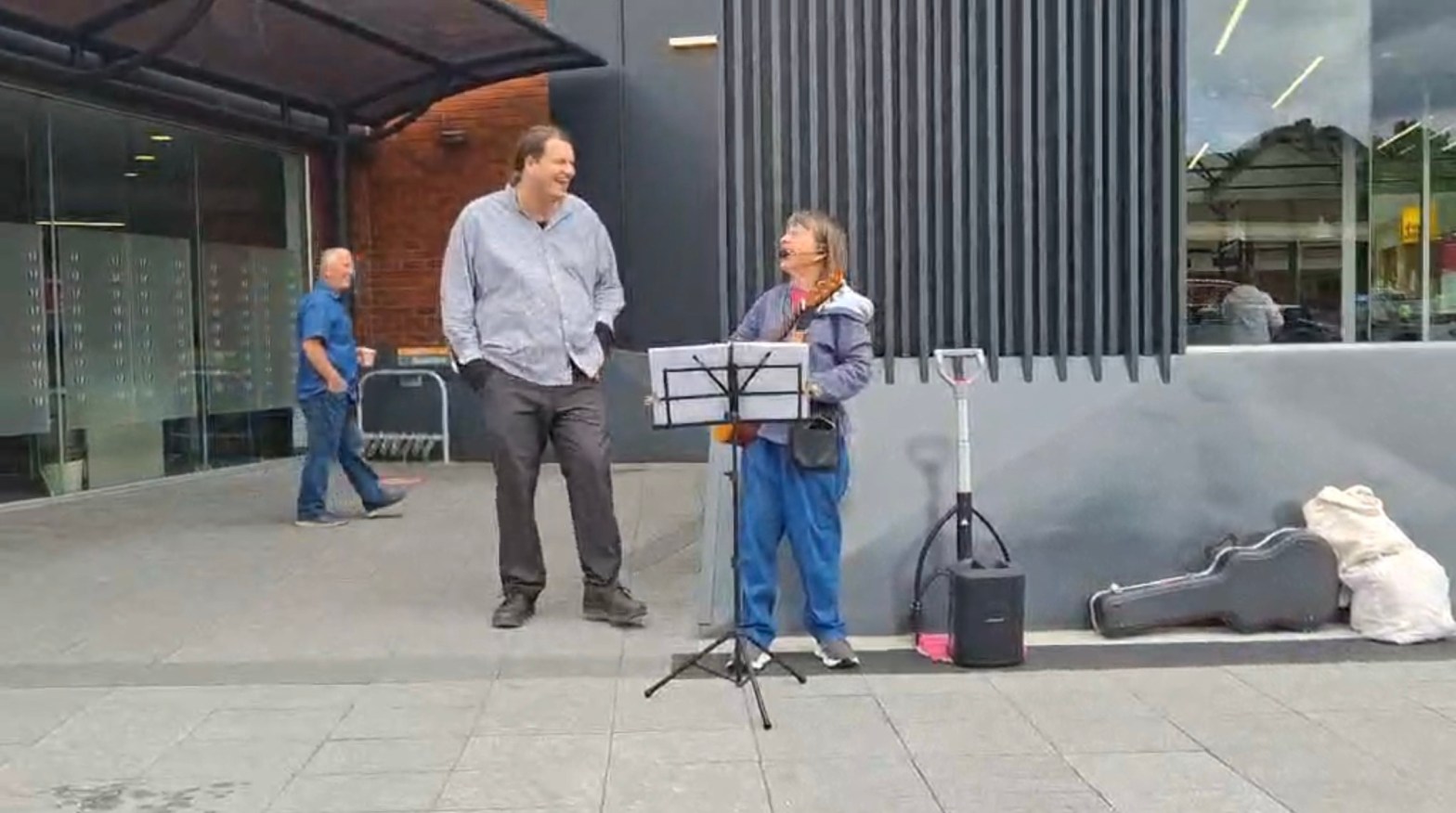
In outreach — whether that’s on a beach sharing handcrafted pieces, in conversation over coffee, or in everyday interactions that feel ordinary but matter deeply — I’ve noticed this pattern: people rarely shift because they are out-argued.
They shift because they feel safe.
You can win an argument and still lose the relationship.
But when someone experiences genuine care, they often begin to examine their own beliefs voluntarily — not because they were pressured, but because they trust the person in front of them.
Logic sharpens.
Love softens.
And soft ground receives seeds better than hardened soil.
This doesn’t mean truth or clarity are unimportant. Thinking matters. Ideas matter. Discernment matters.
But if persuasion is about transformation rather than domination, then love is the more powerful force.
Love doesn’t humiliate.
Love doesn’t rush.
Love doesn’t need to prove itself superior.
It invites.
And in a world saturated with hot takes, comment threads, and endless counterpoints, maybe the most compelling thing we can offer isn’t a better argument — but a better presence.
Not louder reasoning.
Not sharper rebuttals.
But patient, embodied kindness.
Because when someone feels safe enough to be honest, change becomes possible.
And that kind of persuasion lasts.
Read more Outreach posts
