
There are days when hope feels like a warm fire.
And then there are days when it feels like a myth.
Not because I’ve stopped believing in God.
Not because I’ve become cynical.
Not because I’m trying to be dramatic.
But because something inside me goes quiet.
I still get up.
I still show up.
I still do the “right” things.
But the thing I used to call hope isn’t there.
And when hope is gone, the worst part isn’t the sadness.
It’s the pressure.
The pressure to sound strong.
To speak in faith.
To “declare” something.
To be inspirational.
To find a lesson.
To hurry up and recover.
Sometimes, when hope is gone, I don’t need a sermon.
I need permission to be human.
1. I Stop Trying to Manufacture Hope
This might sound strange coming from someone who loves faith.
But I’ve learned this: forced hope isn’t hope.
It’s performance.
And performance is exhausting.
There’s a kind of spiritual language we learn — even unintentionally — where we feel like we have to keep hope alive through sheer willpower.
But hope doesn’t work like that.
Real hope is not something I can always produce.
Sometimes it returns like a sunrise.
Sometimes it returns like a slow thaw.
And sometimes, it doesn’t return on the timeline I want.
So I stop trying to fake it.
And I stop punishing myself for not feeling it.
2. I Lower My Expectations to “Today”
When hope is gone, I can’t live in the future.
The future becomes too heavy.
My mind starts doing what minds do:
- What if this never changes?
- What if it gets worse?
- What if I’m stuck here forever?
- What if I fail everyone?
So I narrow my world down.
Not to be avoidant.
But to be faithful in a smaller way.
I don’t ask, “Can I carry my whole life?”
I ask:
“Can I carry today?”
“Can I carry the next hour?”
“Can I make one small choice that keeps me alive?”
Sometimes hope looks like planning a whole new chapter.
But sometimes hope looks like brushing your teeth.
3. I Let Doubt Tell the Truth (Without Letting It Drive)
Doubt is a strange companion.
It can be cruel.
It can whisper lies.
It can distort everything.
But it can also tell the truth about what I’m carrying.
Doubt is often the voice of pain saying:
- “I’m tired.”
- “I’m scared.”
- “I don’t understand.”
- “I feel alone.”
- “This isn’t fair.”
And sometimes the most cultural thing I can do is not to silence doubt — but to listen to what it’s revealing.
Not to let it steer my life.
But to let it speak.
Because ignored doubt doesn’t disappear.
It just goes underground.
And underground things grow teeth.
4. I Pray Like Someone Who Has Nothing Left
When hope is gone, my thinking is simple.
Sometimes all I have is:
“I’m here.”
Or:
“Hello.”
Or:
“Don’t ask me.”
Or even:
“I don’t feel anything.”
There’s a kind of verse that’s not beautiful.
It’s not poetic.
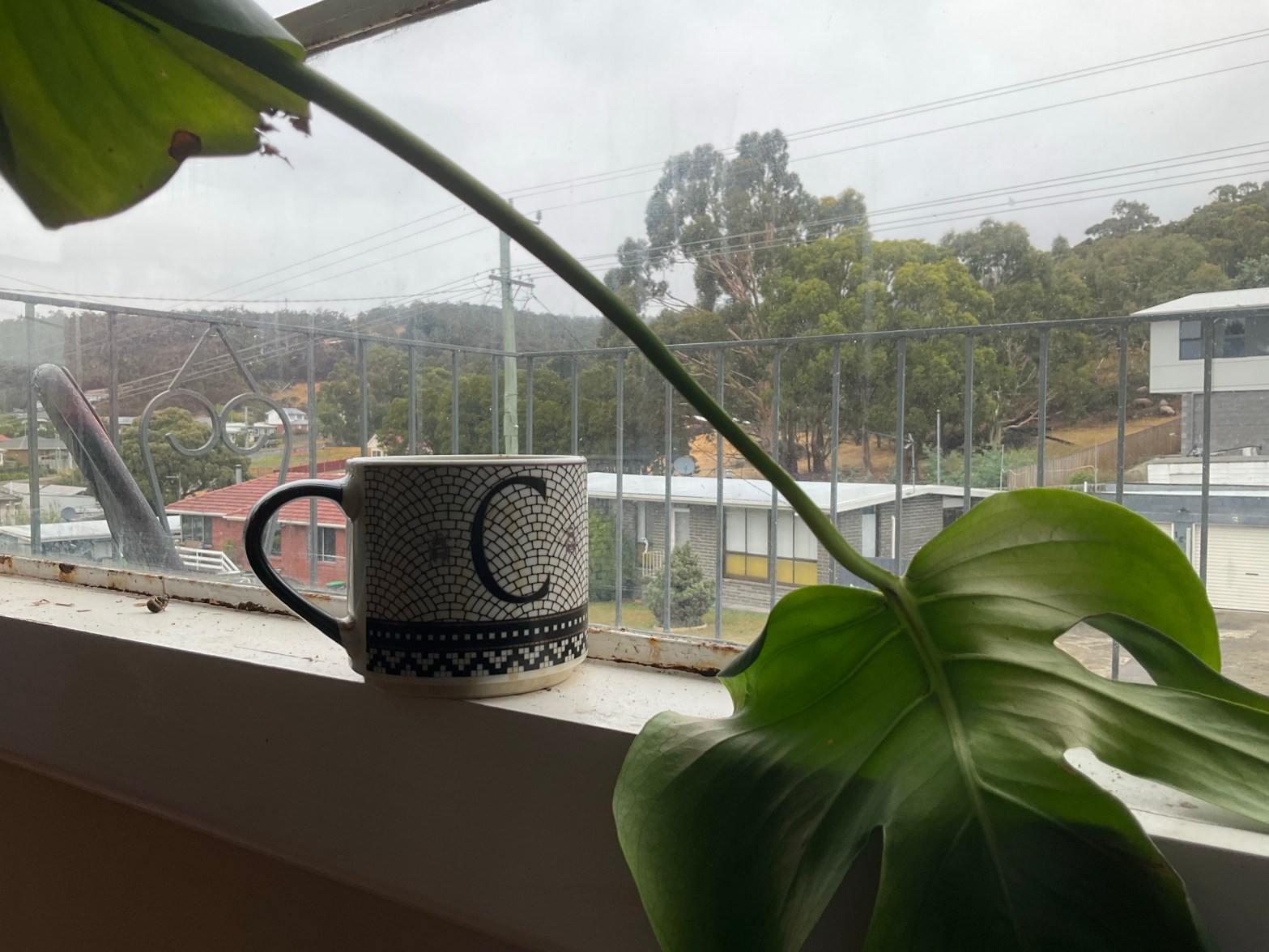
It doesn’t fit on a mug.
But it’s real.
And I think the streets prefers real over impressive.
When I talk with those on the bottom, I’m always struck by how they have simple dreams.
They’re clear.
They’re basic.
They don’t care how long it takes them.
They don’t question them.
They give up everything for them.
And somehow, those dreams keep them going.
Which tells me something important:
At least I can do is be honesty about my own.
5. I Borrow Hope From Other People
This one has saved me more times than I can count.
When my hope is gone, I don’t always need advice.
I need presence.
I need someone who can hold a little hope for me without demanding I feel it.
Someone who can say:
- “You’re not crazy.”
- “You’ve done a lot.”
- “Things change for you.”
- “I’ll probably be around.”
Sometimes the most spiritual thing I can do is let a friend sit beside me and simply be there.
No fixing.
No explaining.
Just staying.
Hope is not always personal.
Sometimes hope is communal.
Sometimes hope is a borrowed blanket.
6. I Do One Good Thing (Even If It Doesn’t Feel Good)
This is where my work with mutual aid and food support has taught me something.
When you’re helping people, you learn quickly:
You don’t always feel hope.
But you can still do love.
And love is often the first step back toward hope.
When I feel numb, or flat, or hollow, I try to do one small good thing locally:
- chat with someone
- share food
- write a profile
- sing a song
- carve something with my hands
- show up to a gathering
- take a walk
- cook a meal
Not because it fixes everything.
But because it reminds me I’m still connected to life.
And connection is one of hope’s favourite doorways.
7. I Remember: Hope Isn’t a Feeling — It’s a Person
This is where my hope gets very simple again.
Hope isn’t just a mood.
It’s not optimism.
It’s not the next social program .
On the streets, hope is ultimately not an emotion.
Hope is the real.
And the real does not disappear because I can’t see it.
The real does not get offended when I’m empty.
The real does not punish me for being tired.
The real is not only present in the moments when I’m strong.
Its also present in the moments when I’m barely holding on.
And if I’m honest, those are the moments I need to know.
When Hope Is Gone, I Don’t Quit
That’s the quiet victory.
Not a dramatic comeback.
Not a triumphant speech.
Just… not quitting.
Still showing up.
Still listening.
Still chatting.
Still visiting the streets, even if it’s just “a prayer.”
Still letting people love me.
Still doing the next right thing.
Hope doesn’t always arrive like fireworks.
Sometimes it arrives like a new small project.
Sometimes it arrives like a new person on the streets.
Sometimes it arrives like the strength to build a conversation.
And sometimes — mysteriously — it arrives after you’ve walked the streets longer than you thought you could.
If hope is gone today, you are not failing.
You are not hopeless.
You are human.
And you are not a slave.
A simple closing prayer
God.
I have no hope today.
But I’m still here.
Hold me tight.
Take my load from me.
And light up the long road ahead.
Amen.
