
What this project is
StreetShelter began with a simple, stubborn question:
What does it actually take to offer someone a real night of rest when they are living on the street?
Not a program. Not a service pathway. Just a place that is safe enough, warm enough, and human enough for a person to stop being on guard for a few hours.
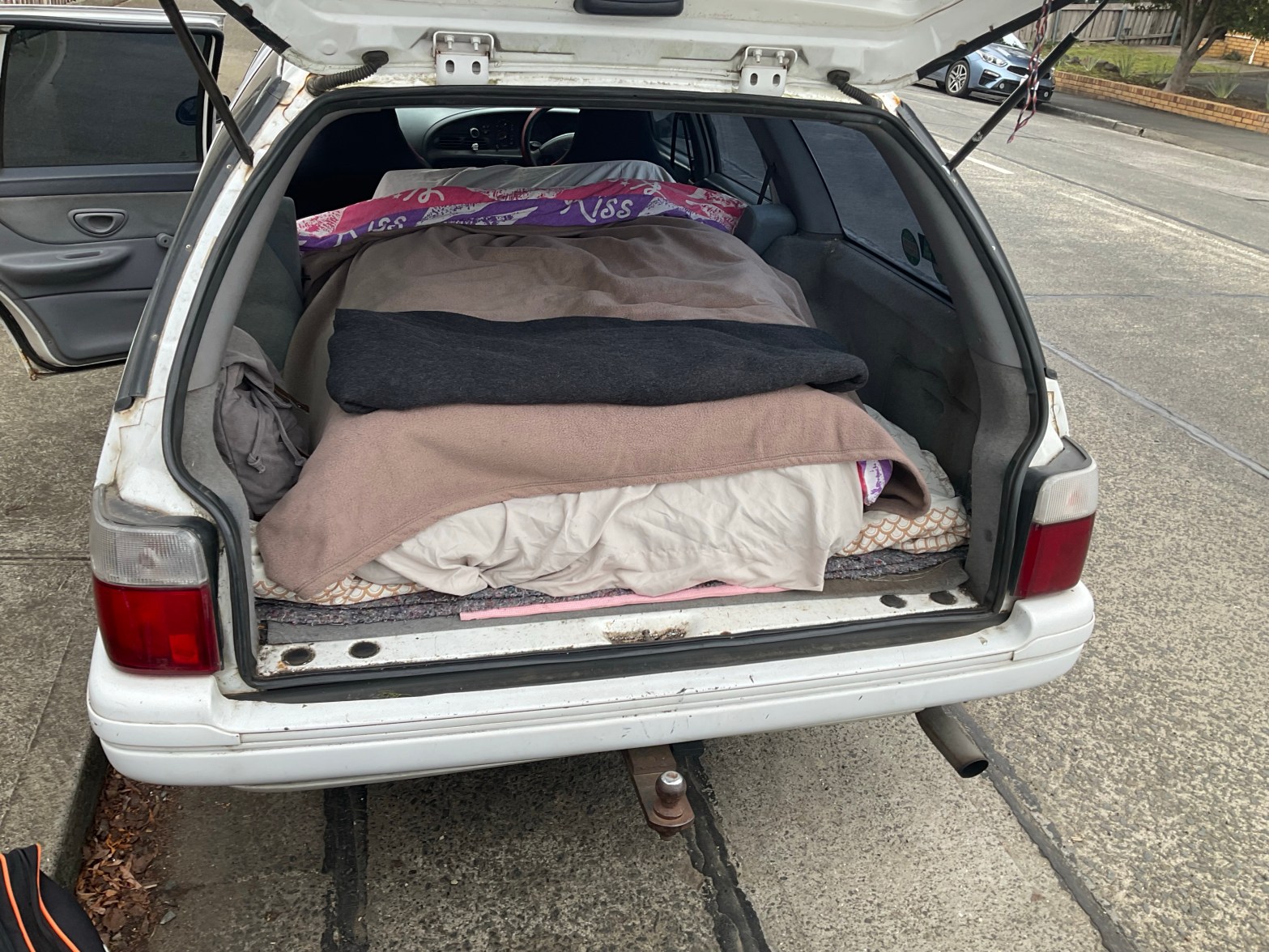
StreetShelter was a small project that tried to answer that question in practice — by doing the ordinary things well: a place to sleep, something to eat, someone to talk to, and no pressure to perform gratitude or progress.
Why this project exists
Many people sleeping rough are exhausted long before they are “unhoused.” They are tired of being moved on, tired of being managed, tired of being asked to prove their need.
StreetShelter existed because rest matters. Because sleep is not a reward for good behaviour. Because dignity doesn’t begin after housing — it begins now.
This project was not about fixing people. It was about creating a pause from survival.
What we actually did
StreetShelter focused on the nuts and bolts — the things that are often invisible:
- Floor-level sleeping arrangements that felt safe and accessible
- Warm food, prepared and shared without conditions
- Space for conversation, or silence, depending on what was needed
- Clear boundaries that protected everyone without becoming punitive
- Volunteers who understood that presence mattered more than solutions
The work was slow, practical, and relational. Nothing fancy. Nothing scalable. Just real.
What we learned
A few things became very clear:
- Rest changes how people speak, think, and hope
- Safety is felt more than it is explained
- Being listened to without an agenda is rare — and powerful
- Small projects expose big system gaps very quickly
StreetShelter showed us that homelessness is not just a housing issue. It is a fatigue issue. A trust issue. A belonging issue.
Where the project sits now
StreetShelter, in its original form, is archived. Not because the need disappeared — but because the conditions around shelter, regulation, and resourcing shifted.
What remains is the learning.
The project continues to inform how I think about:
- Community kitchens
- Drop-in spaces
- Mobile support
- Camper and transitional shelter ideas
- How volunteers are supported, not just trained
StreetShelter still lives on as a reference point — a reminder that small, imperfect projects can tell the truth more clearly than polished programs.
Why this still matters
This small project matters because it asked the right question.
Not “How do we fix homelessness?”
But “What does a human need tonight?”
Sometimes the most honest work starts there.
See more small projects:
