
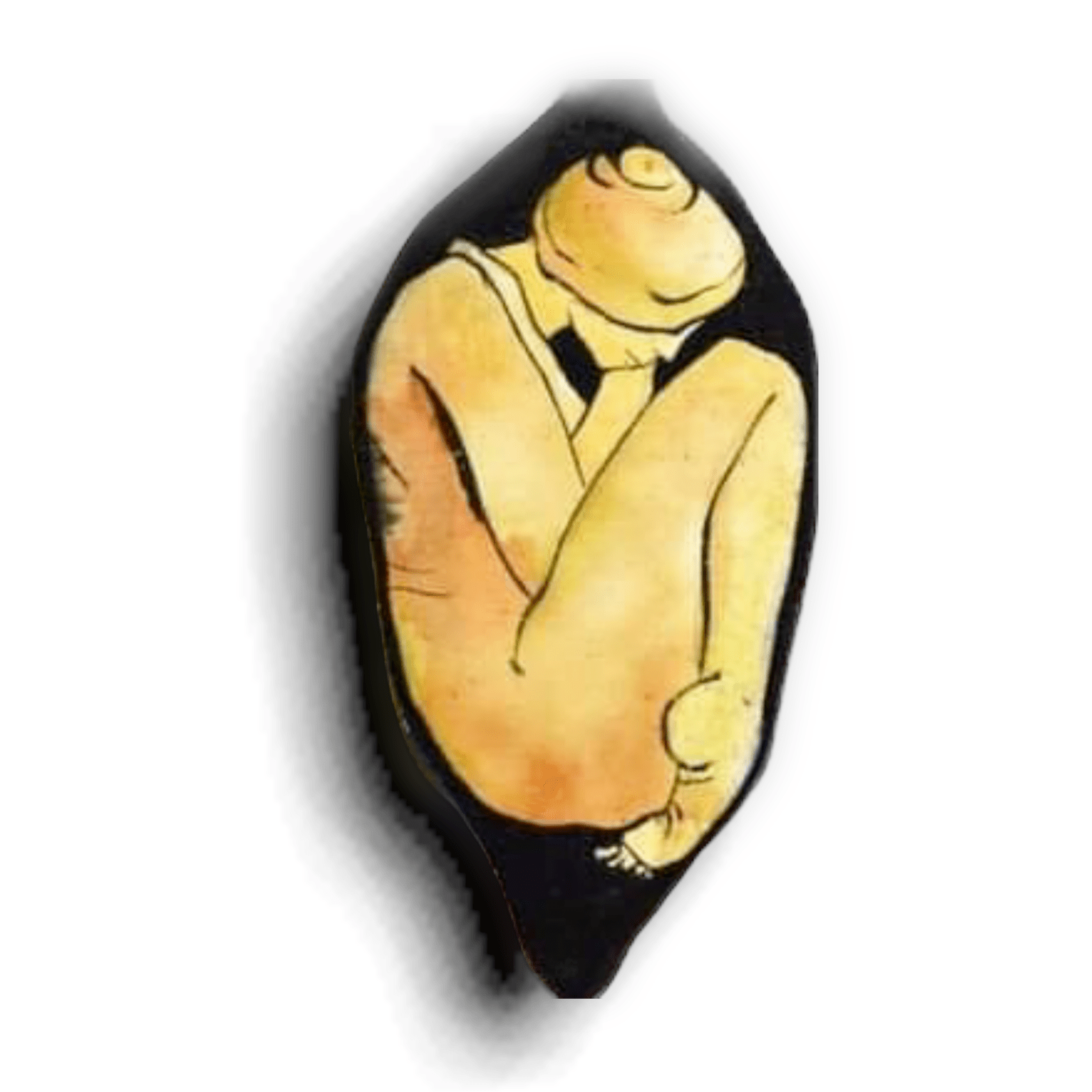
I’ve been in ongoing conversation lately with a family. Separately. Carefully. Slowly.
They are circling the same truth: abuse by the mother.
But they are not standing in the same place.
The father doesn’t tell the story all at once. He lets it come out in pieces. And something strange happens in our conversations—he borrows my words. Not in a dishonest way. In a tentative way. He uses my articulation of what abuse is, just a little each time, as if trying it on. As if seeing whether the truth will hold him if he steps into it.
That tells me something: he knows more than he can yet bear.
Truth often enters sideways. Not as a confession, but as an echo.
One of the hardest moments came when he said to me, “I could never forgive someone if they hurt my daughter.” He meant publicly.
He meant it. Deeply. Fiercely.
But at the same time, he is allowing her to remain in a situation where she is being hurt – privately.
That’s the fracture I keep sitting with.
Not because he is wrong. Not because he doesn’t love her. But because fear, loyalty, shame, confusion, and survival can twist love into something that looks like protection but functions like permission.
There is a particular pain in watching someone defend what they cannot yet confront.
He is not lying to me. He is lying to himself just enough to survive the day.
And the daughter—she speaks differently. She doesn’t theorise. She doesn’t circle. She names what happens. Not always with drama. Often with a kind of tired clarity that children develop when they realise adults are not going to rescue them quickly.
She doesn’t need better language. She needs safer reality.
I’m not a judge in this. I’m not a saviour. I’m not a system.
I’m just someone who listens and speaks carefully, because words shape what people can finally see.
Sometimes my role is to say what someone already knows but cannot yet say out loud. Sometimes my role is to sit in the tension where love and harm occupy the same room.
But there is one thing I won’t pretend:
You cannot claim fierce protection while allowing ongoing harm. You cannot speak about forgiveness for imagined future wounds while permitting real present ones.
That contradiction is not moral failure—it is human collapse under unbearable pressure. But naming it matters.
Because abuse thrives in slow language. In partial truth. In delays that feel reasonable.
And care—real care—sometimes begins by saying the thing that breaks the story you were using to survive.
Not to punish. Not to shame. But to make room for a different ending.
I don’t know where this will go.
I only know that truth is being built one sentence at a time. And that every sentence carries a choice: to protect an image of love, or to protect a person who is being hurt.
More Reflection posts:
