
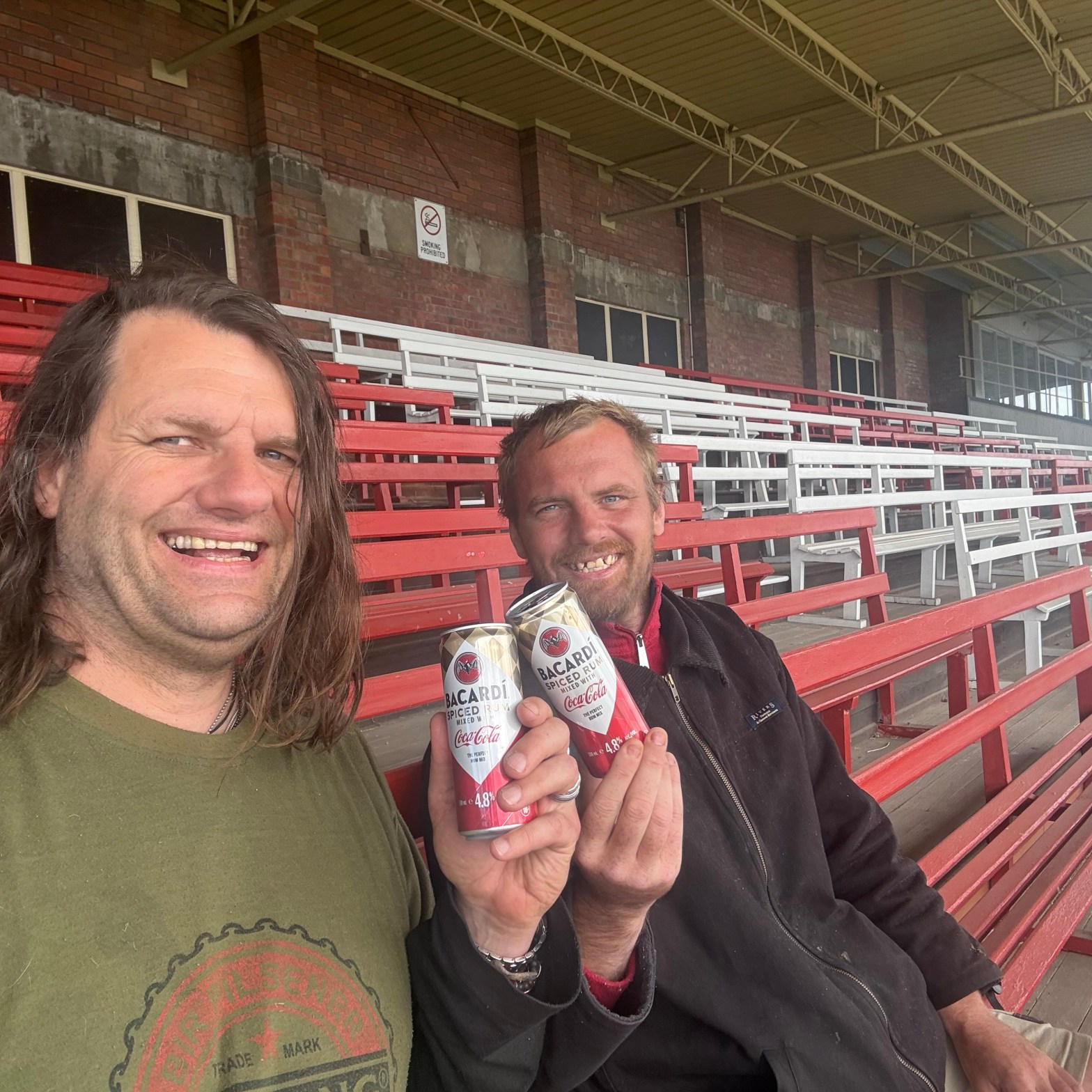
How a Project Shifted When We Followed Someone’s Way
Pete’s story isn’t something I observed from a distance.
It’s something we built inside of — often without knowing where it was going.
When Pete first came to Food Not Bombs Hobart, the project itself was fragile. I was losing members. I was holding too much. I was trying to make it work by being careful, complex, and responsible in all the ways I thought mattered.
Pete didn’t come looking for a program.
He came as he was.
Going Pete’s Way
What worked wasn’t me bringing Pete into my version of the project.
What worked was going his way.
Food Not Bombs shifted. It became simpler. Tougher. User-led.
Less explaining. Less cushioning. More ownership.
Pete shaped it into something that matched how he lived — direct, practical, no excess. In that shift, I learned something uncomfortable but necessary: my softness and over-responsibility were sometimes getting in the way.
Education, and Its Limits
As Pete became more involved, he wanted more from the project. I did what many of us do — I promoted education. He re-educated at Chefs’ College.
It was the right step on paper.
But it didn’t lead to cooking work.
What I learned was hard and important: a qualification can be a red herring when you’re still homeless, especially in the hospitality industry. Skills aren’t enough when you’re carrying instability, prejudice, and exhaustion into every interview.
I also learned — more clearly than I wanted to — that racism is present, and it shapes who gets opportunities and who doesn’t.
The Right Work
Pete eventually found work in what might be one of the hardest jobs around. It wasn’t glamorous. It was tough, physical, relentless.
It suited him.
That work matched the toughness required to survive homelessness. It didn’t ask him to pretend to be someone else. It didn’t demand polish before safety.
From that, I learned another lesson: education can be too theoretical if it doesn’t account for the lived reality of the student — especially in extreme situations. Learning has to bend toward circumstance, not the other way around.
StreetShelter
Out of those lessons came StreetShelter.
Not as a grand idea, but as a response to a basic truth:
people need a bed if they’re going to get on with things.
StreetShelter provided that. A place to sleep so work, routine, and decisions could happen without survival swallowing everything.
Pete worked in that hard job for years.
Stability didn’t arrive quickly — but it arrived honestly.
Still Working
Pete went away to Queensland for a time.
Then he came back.
That return matters. It says something about the project — and about the relationship. We didn’t quit when things got thin or difficult. We’re still working on things. Still adjusting. Still learning.
Pete’s story isn’t a case study.
It’s a shared build.
What he taught me reshaped my work.
What I built had to stretch to meet his reality.
That’s the work. And it’s not finished.
See More Work:
