
Reflection
When we first met Ned, he was living on the streets after a relationship breakdown. Despite a PhD in Law, he struggled to navigate everyday life and reconnect with his professional identity. His story reminded us that knowledge alone doesn’t guarantee stability — support, community, and opportunity matter just as much.
What struck me most was how small acts of accompaniment and encouragement could create space for transformation. Our role wasn’t to fix his life, but to provide presence, resources, and trust so that Ned could make choices for himself.
What Happened
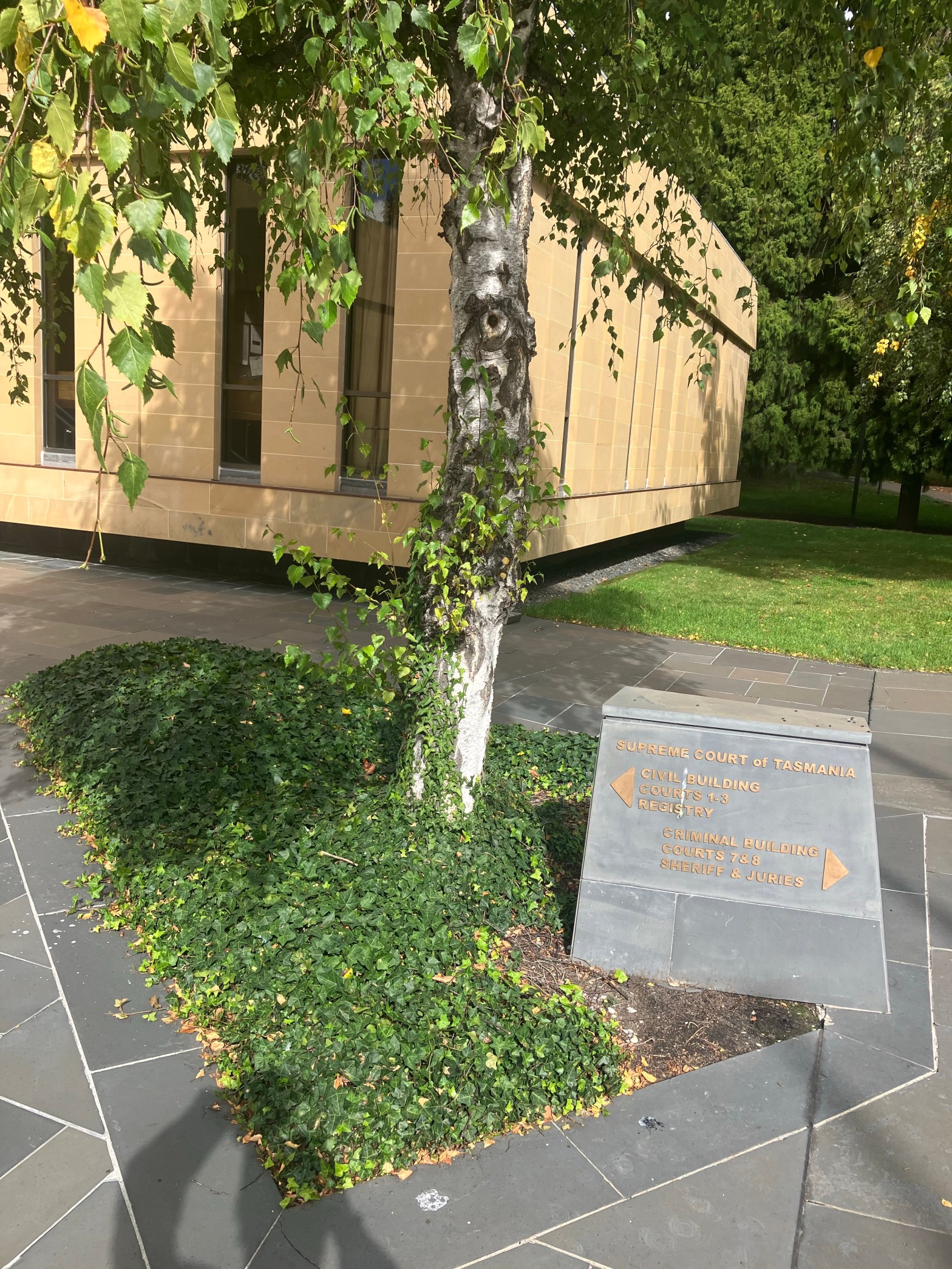
Over time, Ned began to engage with the legal system again, attending courts daily and representing himself in front of magistrates. We introduced him to the anti-discrimination tribunal, where he not only advocated for himself but also for others on the margins.
Alongside this, Ned founded The Food Van, a small food collection and delivery service using recycled produce. He involved volunteers, including people like Stoner, to help meet real needs in the community. What began as a personal journey became something relational, participatory, and practical — a bridge between personal recovery and social impact.
What It Taught Me
Ned’s story reminds me that transformation is relational. Support doesn’t mean doing for someone; it means creating a context where people’s skills, agency, and values can flourish. By combining his legal expertise with action in the streets, Ned showed how lived experience can inform and reshape community practice.
There’s also a rhythm to this work: some days are about stability, some about advocacy, some about creativity, and all of it is intertwined. Change rarely follows a linear path; it’s co-created through presence, encouragement, and opportunity.
Reflection on Microenterprise & Relational Work
The Food Van is a microenterprise in action: it’s small, local, relational, and solves a real need. It demonstrates that enterprise can be a tool for dignity and participation, not just profit. By providing a platform for Ned and volunteers, the work multiplied its impact — turning personal recovery into community contribution.
For anyone exploring microenterprise in charitable or social contexts, Ned’s story shows that meaningful work combines:
- Presence before solution
- Participation before output
- Care before efficiency
Closing Reflection / Invitation
Ned’s journey isn’t a blueprint, but it is an invitation: to notice potential where it’s overlooked, to accompany rather than direct, and to create opportunities that allow people to flourish on their own terms. Transformation is rarely solitary — it emerges in relationship, trust, and shared action.
If you’re curious about relational approaches to microenterprise or small-scale social impact, consider the ways presence and encouragement can create ripple effects that last far beyond what you might plan.
More reflections:
