
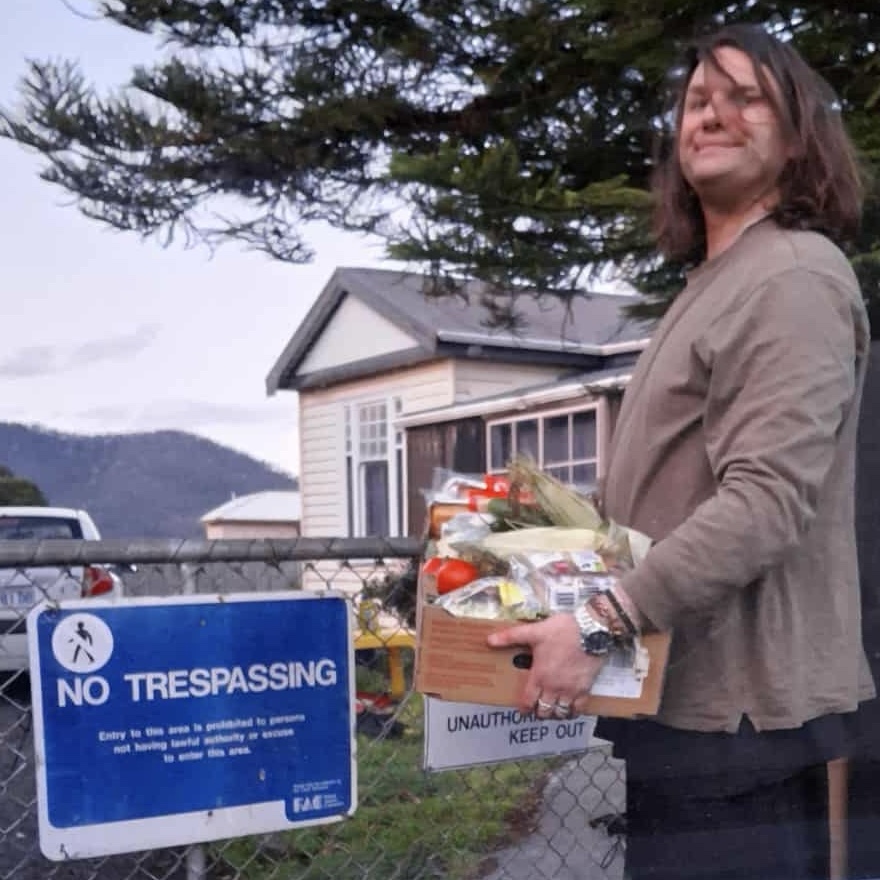
I provided material support to a family for a period of time.
No questions asked.
No requirements.
No follow-up beyond the initial conversation.
They hadn’t come looking for help.
I had found them — I was the one who made the call.
At the beginning, I asked them something simple: to think about someone else they knew who might need support, and to let me know if there was a way I could help that person too.
It wasn’t a condition.
More an invitation.
I wanted the first act to be generous enough to stand on its own.
I hoped it might loosen something — that giving could feel like peace rather than obligation, and that it might ripple outward in ways I didn’t need to see.
There was no commentary from me.
No checking in.
No expectation that anything would come back.
And yet, I noticed a quiet tension sitting underneath the gesture.
Even when support is offered without demand, it still arrives from somewhere.
It still changes the balance of a relationship, if only slightly.
It still carries a question that isn’t spoken: What does this make me now?
I began to wonder whether mutual aid is less about the act itself and more about how place is honoured.
Whether giving can truly be equal if it doesn’t find its way back into the web of relationships that already exist — family, neighbours, community.
What stayed with me was not whether the support was received well.
It was whether my idea of generosity left enough room for theirs.
Perhaps mutual aid isn’t about initiating goodness.
Perhaps it’s about returning it — letting care move through a place rather than settle with the one who offered it.
I’m still sitting with that.
