
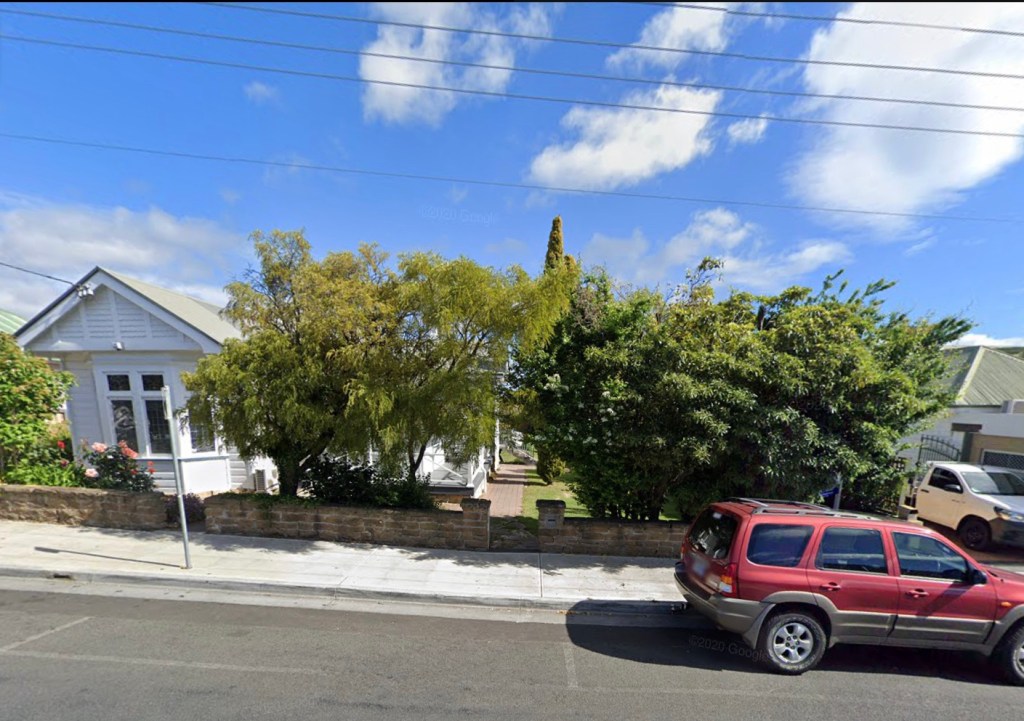
Personal Growth: Share how your experiences at the centre have shaped your own life and perspective
Visiting a psychosocial rehabilitation centre for 15 years and engaging with its members was a transformative experience that shaped the foundation of my charity.
Member Spotlight: Share individual stories and experiences of members you’ve met
Through my interactions with people who attend, I gained a profound understanding of the struggles and resilience of individuals facing mental health challenges.
The history of my charity is deeply rooted in the stories, struggles, and triumphs of the individuals I met at the centre, and I remain forever grateful for the transformative power of those encounters.
Success Stories: Highlight progress and achievements of members over the years
I witnessed firsthand the impact of supportive communities and holistic care on their journeys towards recovery. These experiences not only deepened my empathy and knowledge but also instilled in me a sense of purpose and responsibility to create a similar safe haven for those in need.
Challenges and Triumphs: Sharing struggles and victories faced by members and the centre.
Rising Membership
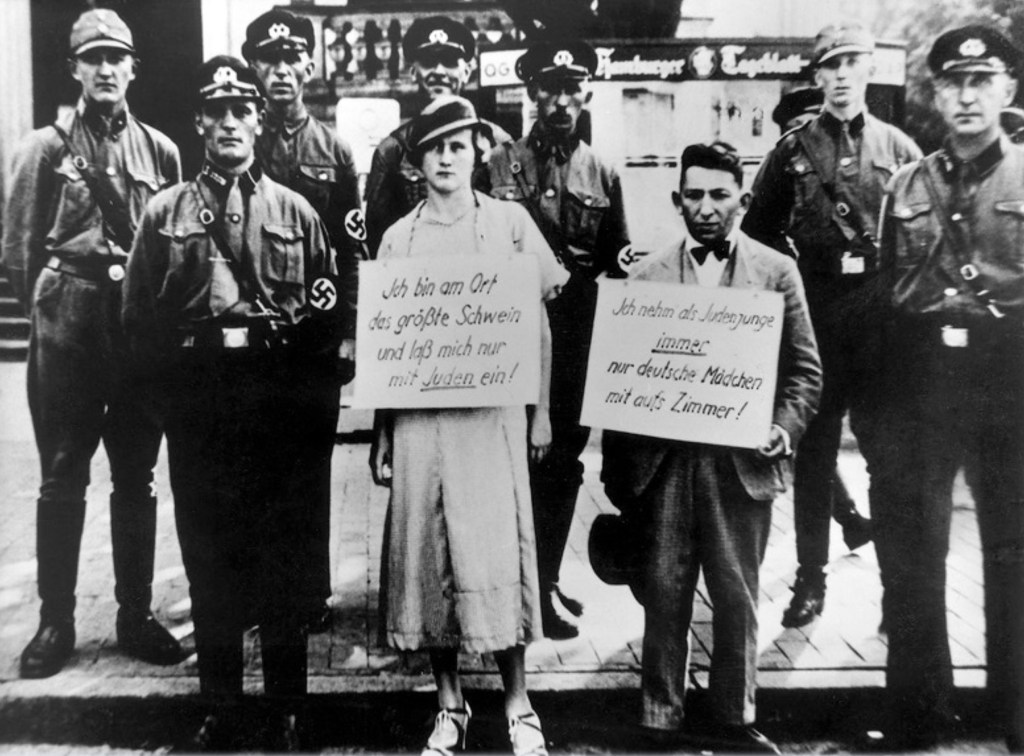
STAFF CRACKED: An incident in 2019 was a staffer hanged a sign around a members neck. The sign said ‘No one will loan me money today’. They were reported saying ‘in this way [sign around the neck] we will eliminate conflict by preventing loans between each other’. A photo was taken by Tim which Tim reported. Our Director Lisa and the Staffer were removed from their positions. The managing company, handled the incident ‘in-house’ with the use of their own HR department. Tim subsequently, left himself. I’m currently contributing further about discussions for future plans. The organisation removed several staff including the Director and a support worker for a wide range of abuses of members over a long time. I supported the dismissal and management of this change.
Lessons Learned: Reflecting on insights and wisdom gained from your interactions with members.
LESSONS FROM A CENTRE: Through my consistent presence and genuine interactions, I came to understand the profound significance of relationships in fostering growth and healing. I learned that true impact lies not in expecting grand changes, but in cultivating deep connections with individuals over time. I also realized the importance of honesty and commitment in charity work, recognizing that unpaid efforts demand authenticity and dedication. The lessons learned and relationships forged during this time inspired me to establish my charity, which has since become a beacon of hope for many. This experience instilled in me a sense of purpose and responsibility to create a charity that prioritizes relationships, honesty, and community-driven support, addressing the needs of individuals in a truly personal and meaningful way.
The Power of Community: Emphasising the importance of support and connection in the members’ lives
The general activity which members participate is sitting on tables in the dining room for a prolonged time, while ‘waiting’ for food, excitement or building on that days narrative. The dynamic is asylum.
The model is appropriate for high level
As an established visitor for over 15 years and working for free, this group offers a well funded site to link with clients. I make myself available for conversations, Wednesdays, which happens to be Roast Lunch Day which costs $8. There is a need to engage with staff, members and potential members.
Staff Heroes: Recognising the dedication and impact of the centre’s staff and volunteers.
STAFF AT A CENTRE: As I reflect on my years of supporting the psycho-social centre, I am reminded of the profound impact that this unique environment had on the dedicated staff who worked there. Despite the challenges that came with the de-institutionalization of the asylum, the staff’s commitment to the members was unwavering. However, the outdated training and rhetoric they received often put them at risk, both in terms of their own mental health and their ability to effectively support the members. It was a delicate balancing act, requiring a deep understanding of each staff member’s needs and limitations. Some needed guidance and support, others required a gentle hand, some further understanding, while a few needed to be shown the back door. Through it all, we adapted and learned together, striving to create a safe and nurturing environment for everyone. The staff’s dedication and resilience were inspiring, mostly, and their impact on the members’ lives was immeasurable. I saw how community-based initiatives like mine can bridge gaps in the system, providing personalized support that paid staff may not be equipped to offer due to limitations in training or systemic constraints.
Member Art and Creativity: Showcasing artistic expressions and creative endeavors of members
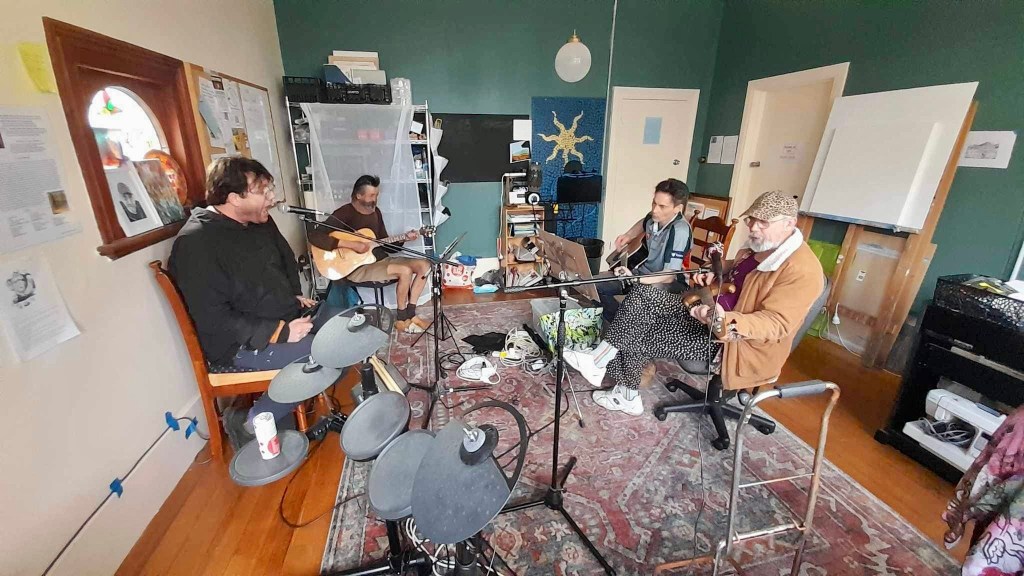
PSYCHOSOCIAL CENTRE MUSIC GROUP: We were thrilled to showcase the rhythmic talents of our very own rock band, formed by members of our community! This incredible initiative not only brought members together but also unleashed a wave of creativity and excitement that resonated throughout the entire centre. As they took to the stage and performed with passion and pride, it was clear that this was a milestone moment for many – a chance to shine, to express themselves, and to feel truly alive. The impact was palpable, with even those not directly involved in the band beaming with joy and enthusiasm. It was a testament to the power of creative expression and the boundless potential that lies within each and every one of our members. Stay tuned for more updates from our rockstars in the making!
Events and Celebrations: Sharing a story out of special events, outings, and celebrations at the centre.
The Importance of Support: Highlighting the impact of support from family, friends, and community on members’ journeys
CENTRE SUPPORT: The centre is a site for engagement in a community setting. The site is appropriate for people with second level non-function social isolation. The diversity of disability is conducive to social interaction and conversation, which occurs in a closed setting. Membership range includes talkative individuals while others breach insanity. The variation produces culture and/or group solidarity e.g. collective moods.
Breaking Stigmas: Sharing stories that challenge mental health stigmas and promote understanding
MENTAL HEALTH STIGMA: The stigma surrounding mental health persists, and ironically, even paid staff in the field can inadvertently perpetuate it. The crux of the issue lies in the unacknowledged power dynamic between staff and patients. While staff are trained to provide support, they often forget that they are being paid to listen, whereas patients are vulnerable and sharing their struggles without compensation. This fundamental difference creates a disconnect, as patients may feel like they’re mere recipients of a service rather than equals in a supportive relationship. Until staff recognize and address this disparity, true understanding and empathy will remain elusive, and the stigma will continue to thrive. By acknowledging the inherent power imbalance, we can work towards a more authentic and inclusive approach to mental health support, where patients feel truly heard and valued.
Programs and Services: Showcase the various programs and services offered by the centre
CENTRES PROGRAMS AND SERVICES: For years, our centre’s programs and services struggled to engage members, relying heavily on passive activities like bus trips and outings. While these were popular, they didn’t challenge or empower individuals. This approach echoed the traditional asylum model, focusing on containment rather than growth. However, with my own initiative and the centre’s support, we revolutionized our offerings. I developed innovative programs, including our rock band “Mentally Healthy as Anything” and gala days that connected members with the wider industry. Workshops like “Woodworker Warriors” and others sparked energy and enthusiasm, transforming the centre’s atmosphere. Although some members preferred to observe, the overall impact was undeniable – a radical shift towards a more vibrant, inclusive, and supportive community.
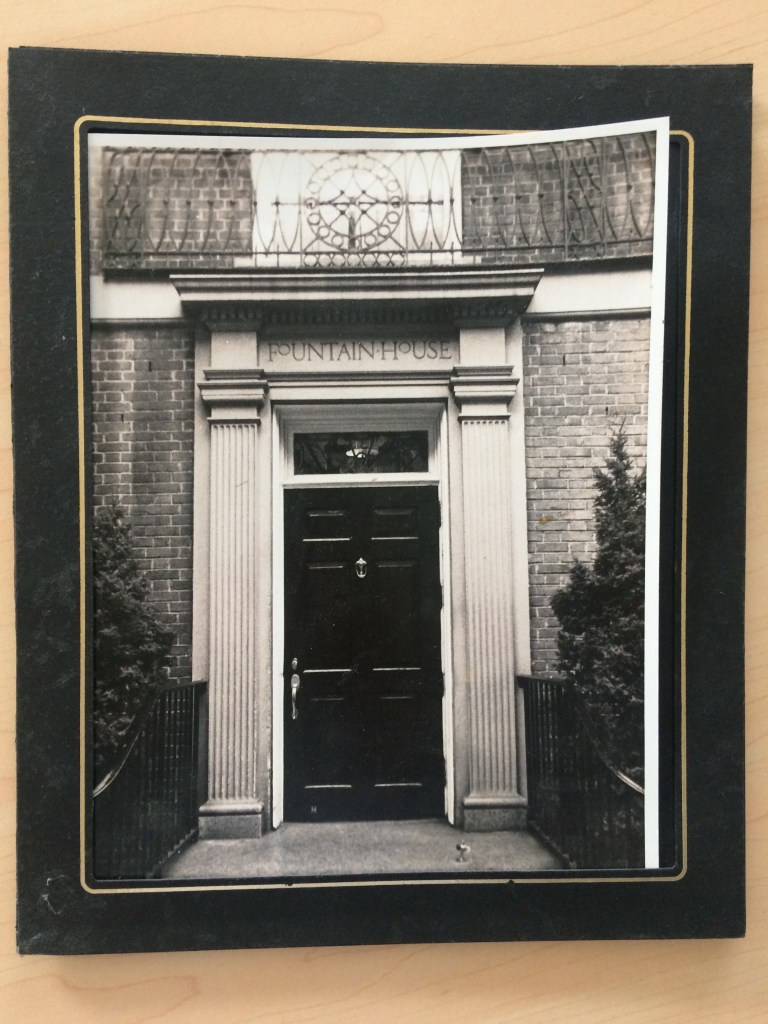
History of the Centre
THE CLUBHOUSE MODEL: The Clubhouse model, originating from New York, is a recovery-oriented approach for mental health centers focusing on work-oriented days. The Clubhouse model aims to foster a sense of belonging, purpose, and empowerment, helping individuals with mental health challenges achieve independence and integration into their communities. Some key features include: voluntary membership, work ordered day, structured days, strengthen based, community support, education and training, education and so on.
DERWENT VALLEY INSANE ASYLUM: The centre had been supported by patients from New Norfolk Asylum. (The asylum) closed during decentralisation of asylum institutions in the West. Many patients failed to “deinstitutionalise”. Some were re-institutionalise in prison. Some died in a reasonablly short time. Patients The key for understanding this site is the context of changing the structure of insanity toward social isolation and risk.
Discover more from Christiaan McCann | Risks and Solutions for the Vulnerable | Socialwork Projects in Hobart
Subscribe to get the latest posts sent to your email.

You must be logged in to post a comment.